

ABOUT ERIK
The work starts with listening.
Before I decide how something should look, I want to understand what is already true about the person, business, or idea in front of me.
The camera comes after that.
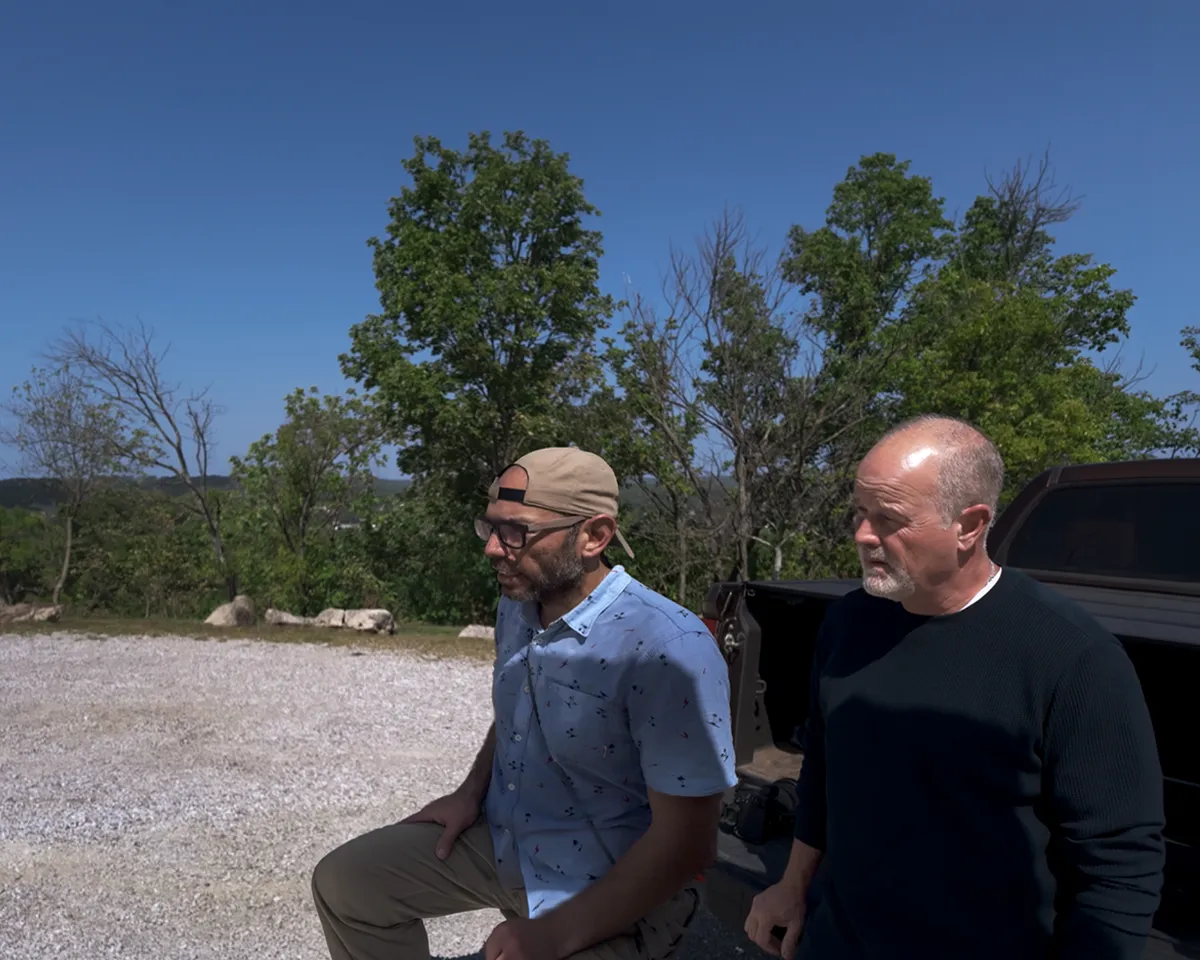
WHAT SHAPES THE WORK
The camera is only part of how I learned to see.
For more than 18 years, photography has taught me to pay attention. But the way I work has also been shaped by marketing and my former work as a therapist.
Each taught me something different about people, communication, and what becomes possible when someone feels understood.
PHOTOGRAPHY
Photography taught me to notice.
Light. Gesture. Distance. Environment. The small things that change how a person, place, or piece of work is understood.
MARKETING
Marketing taught me to ask what matters.
Not simply what we can make, but what people need to understand, remember, or recognize before they can see the value in it.
THERAPY
Therapy taught me to listen.
To stay curious. To notice what is being said and what is not. And to create enough trust that people can stop worrying about how they are supposed to appear.
Those disciplines meet in the same room now. I listen first, understand what matters, and use the camera only after we know what the work needs to communicate.
YOU REMAIN THE SOURCE
My job is not to invent a better version of you.
You bring the experience, convictions, history, taste, and point of view. Those are the things people need to recognize.
I listen for what is already there, then use light, environment, composition, and direction to make it easier to see.
The work should feel considered, but never manufactured.
Clearer, not different.
You remain the source. I create the room around it.
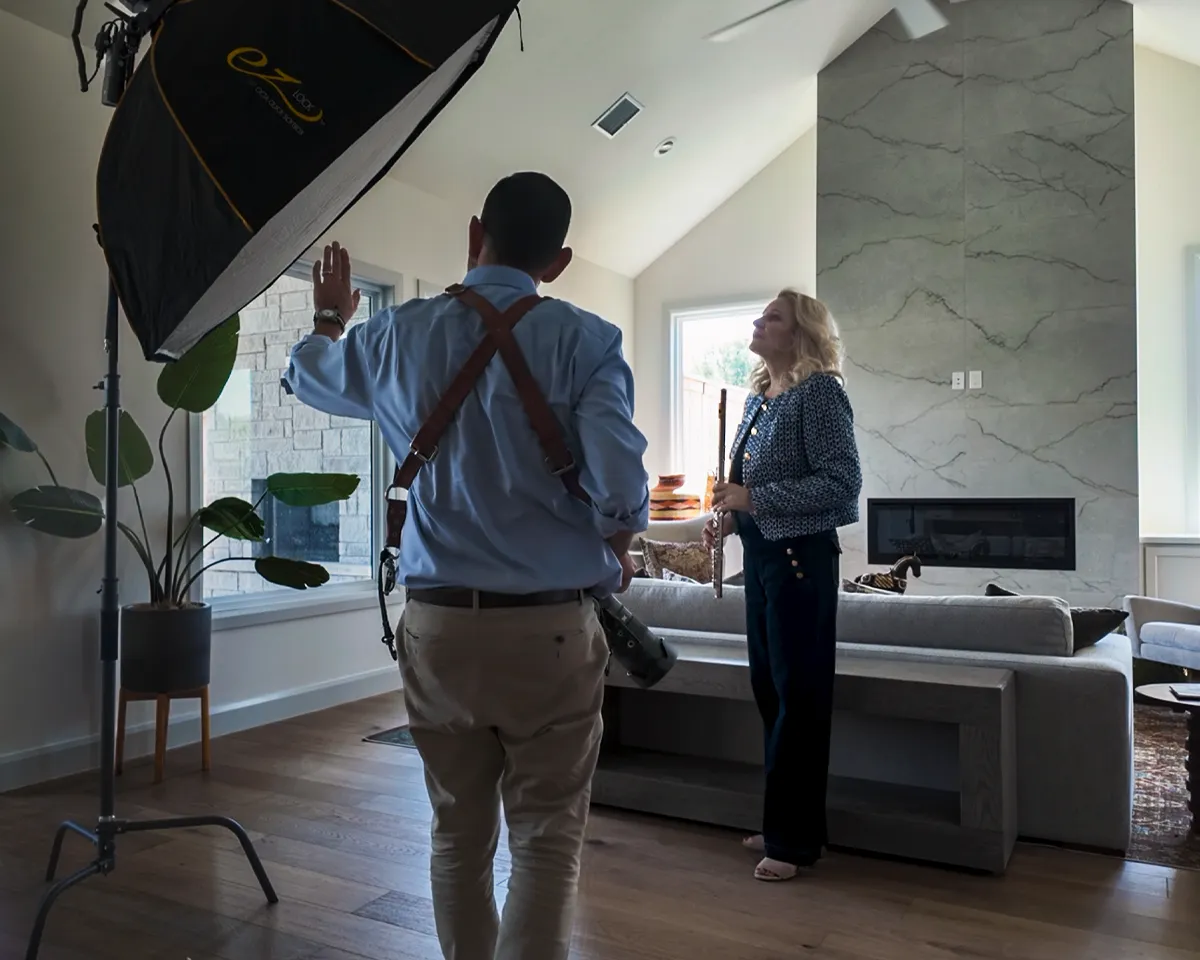
BUILDING THE ROOM
Everything around you should help people see you more clearly.
Light, location, composition, wardrobe, movement, and direction all shape what someone feels before they have read a word.
I use those elements intentionally, not to create a character, but to support what is already true about the person or business in front of the camera.
LIGHT
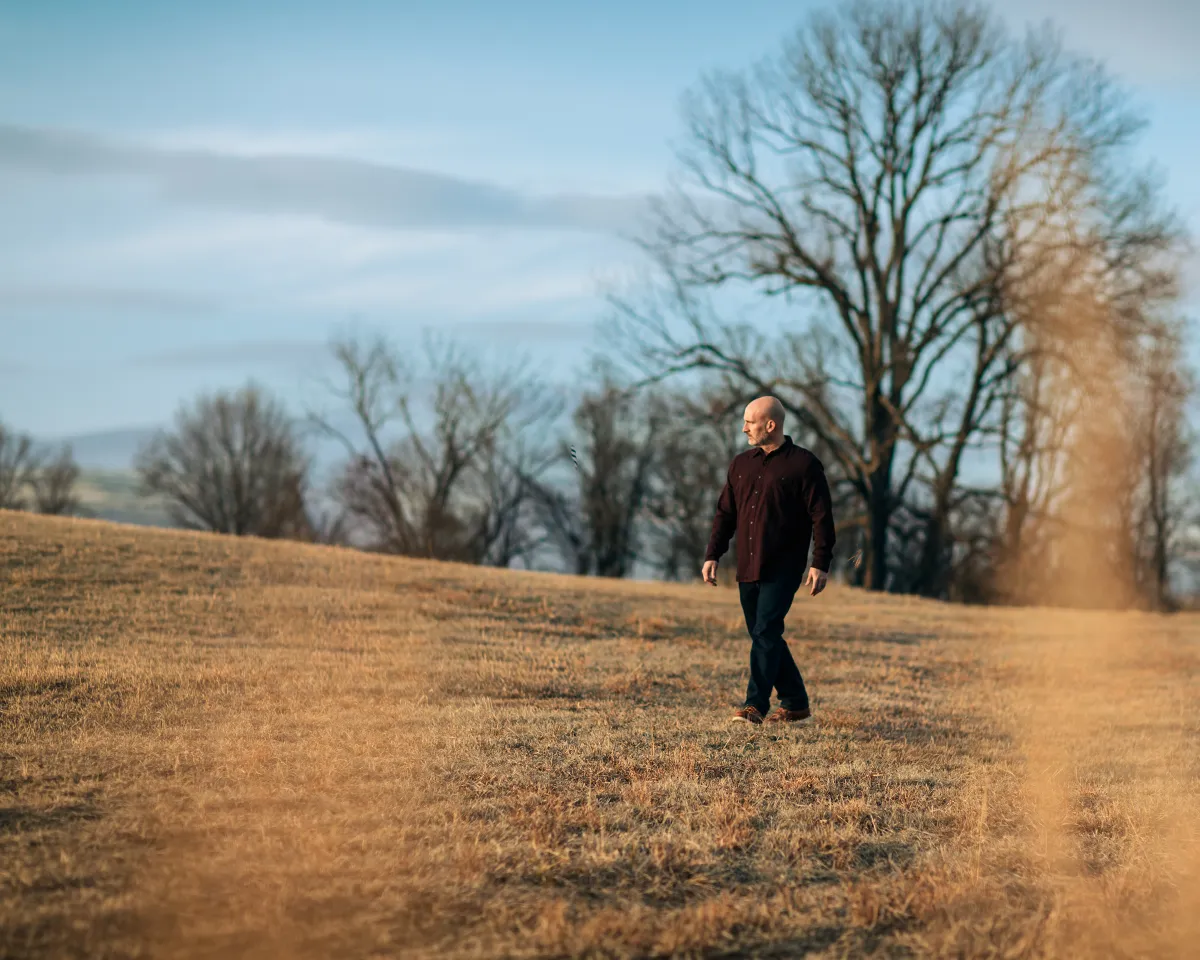
Light sets the emotional temperature.
Sometimes quiet. Sometimes dramatic. Sometimes almost invisible. It should support the story rather than announce itself.
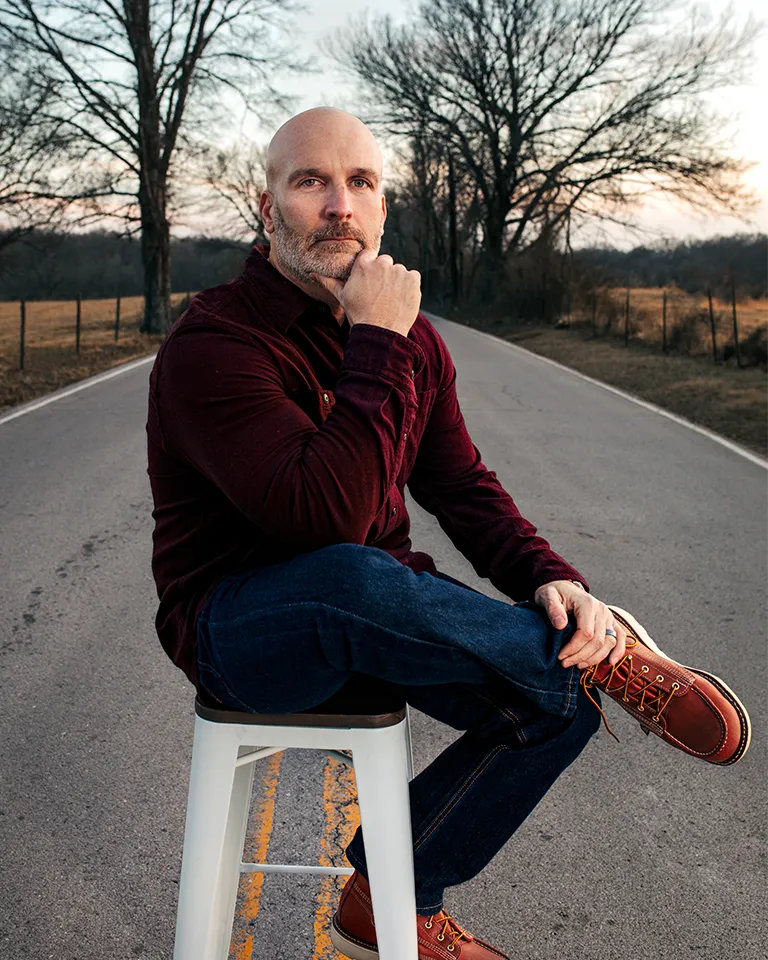
ENVIRONMENT
Place gives the story context.
The right room, street, workspace, home, or landscape can tell people something about you before you ever have to explain it.
COMPOSITION
Where everything sits matters.
Space, architecture, foreground, distance, and negative space help guide attention toward what the viewer is meant to notice.
DIRECTION
Direction should create freedom, not performance.
I give enough guidance for you to know what to do, then leave enough room for something real to happen.
The room is built around the story.
Never the other way around.
Never the other way around.
THE PEOPLE + PLACES
Different people ask for different rooms.
The approach stays consistent. The people, environments, and stories never do.
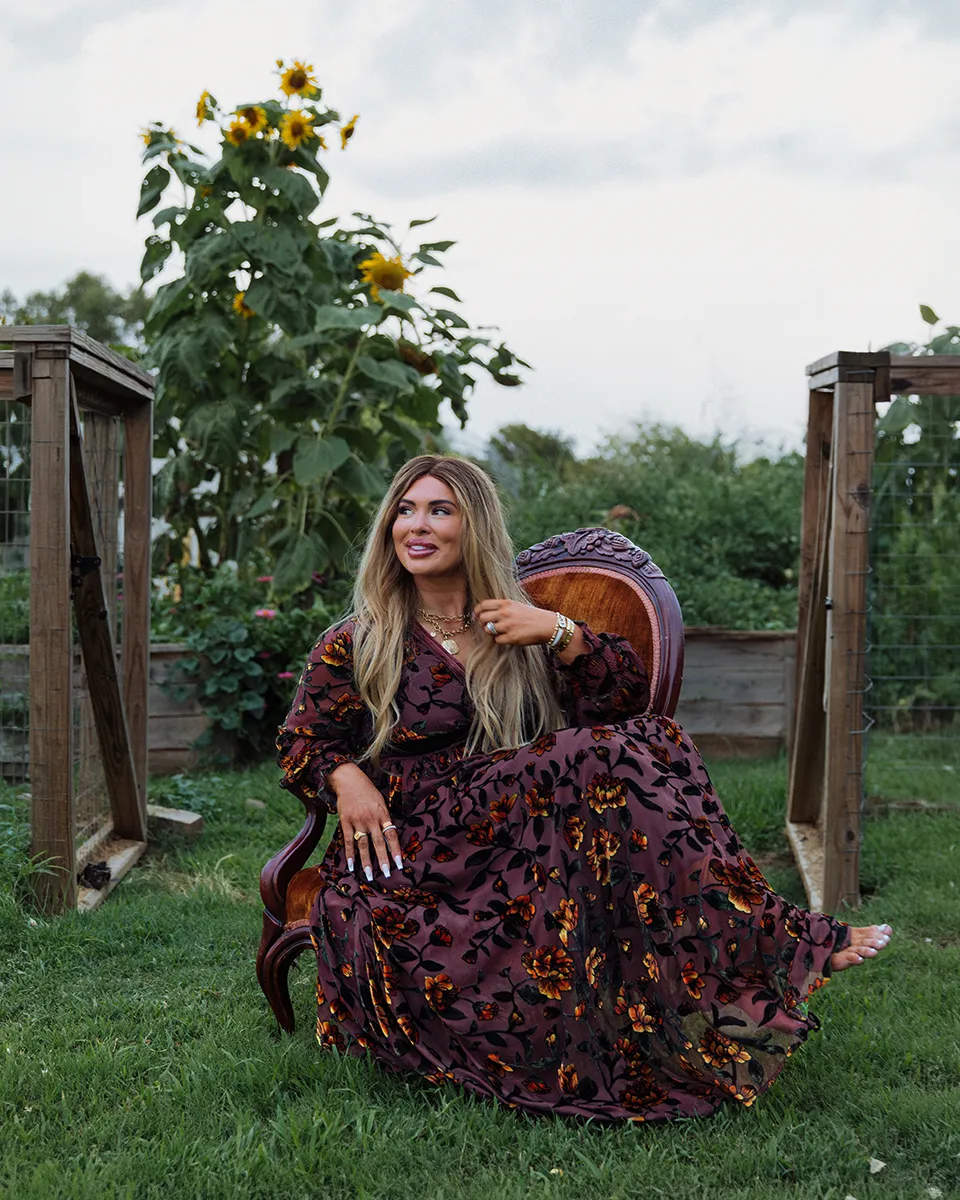
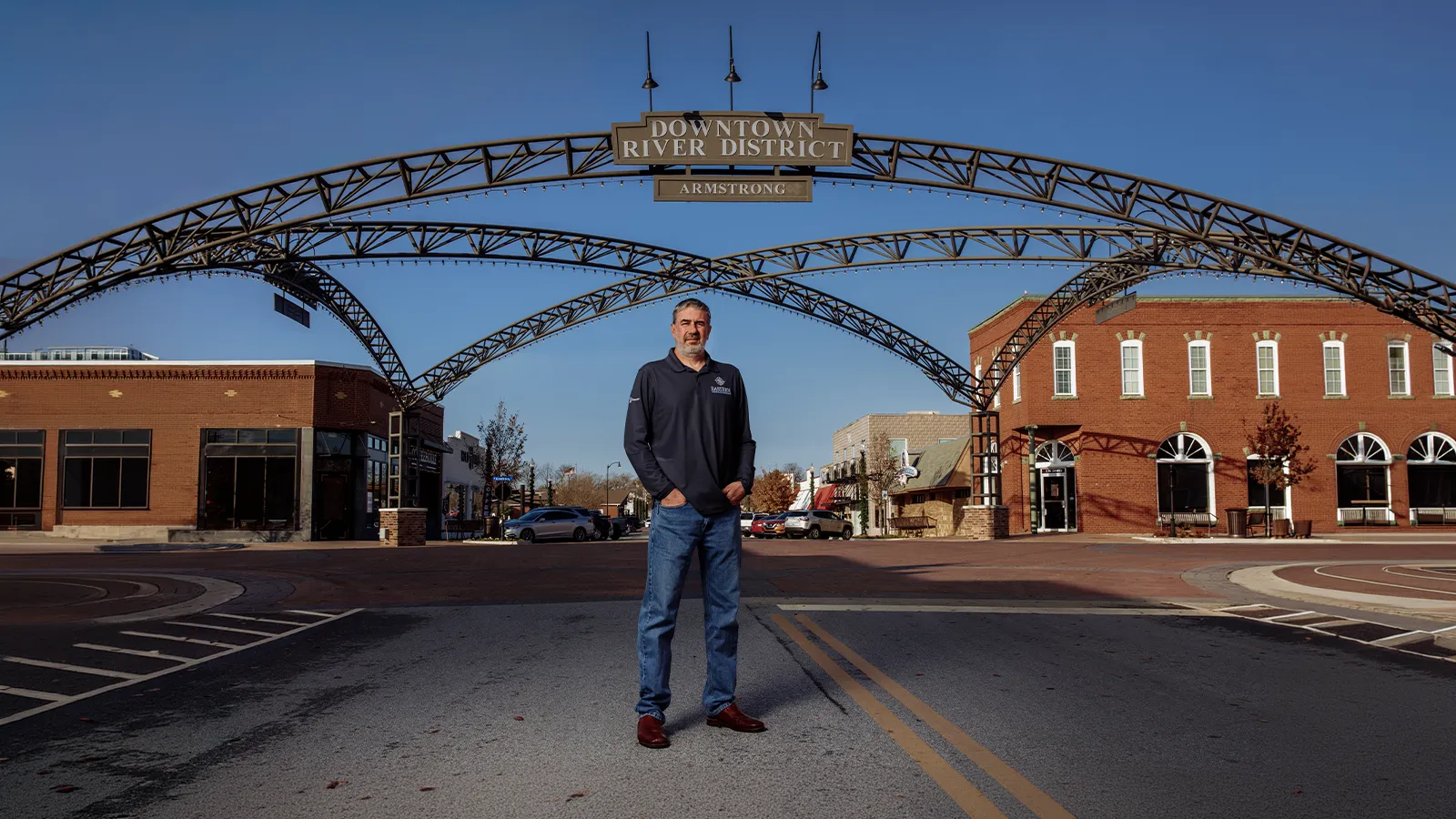
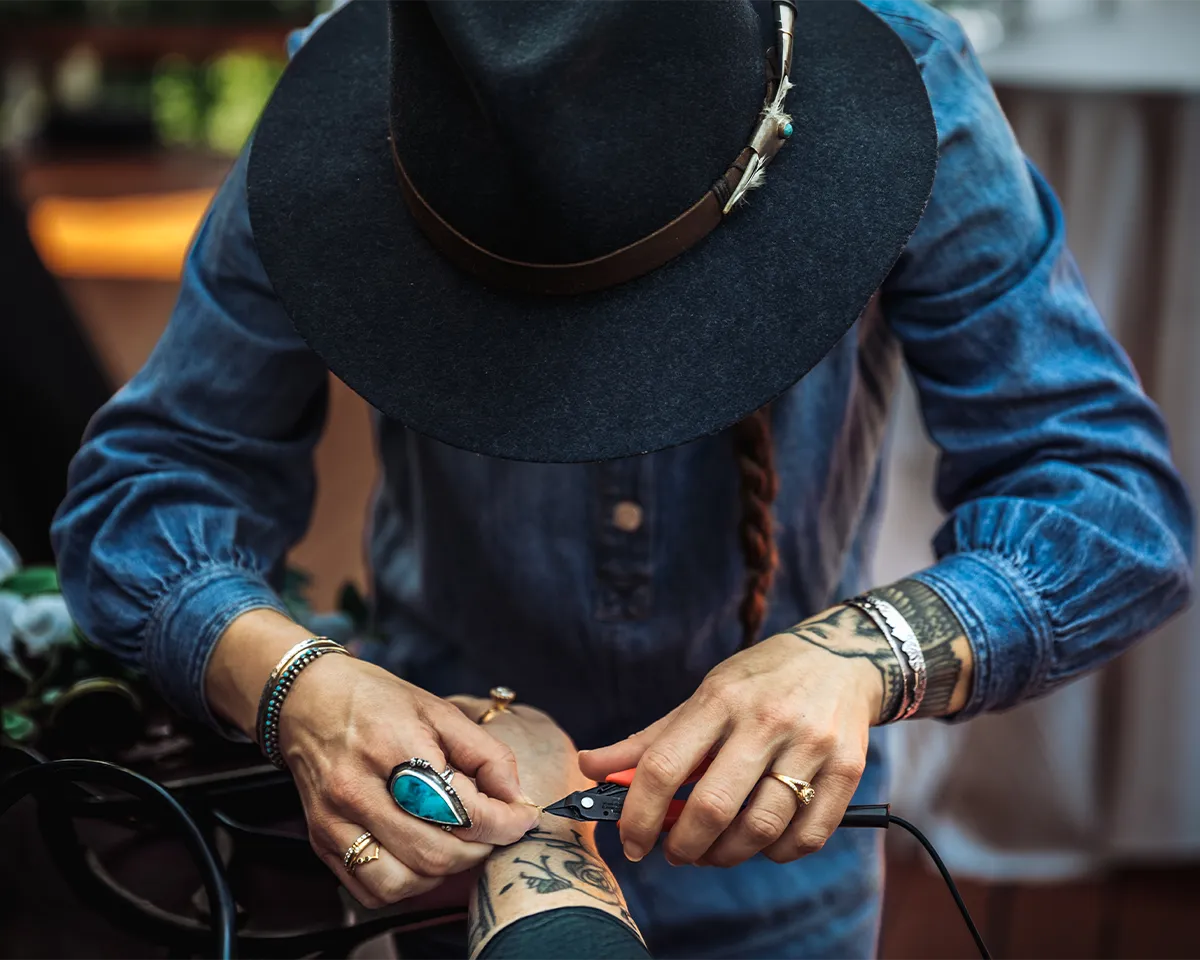
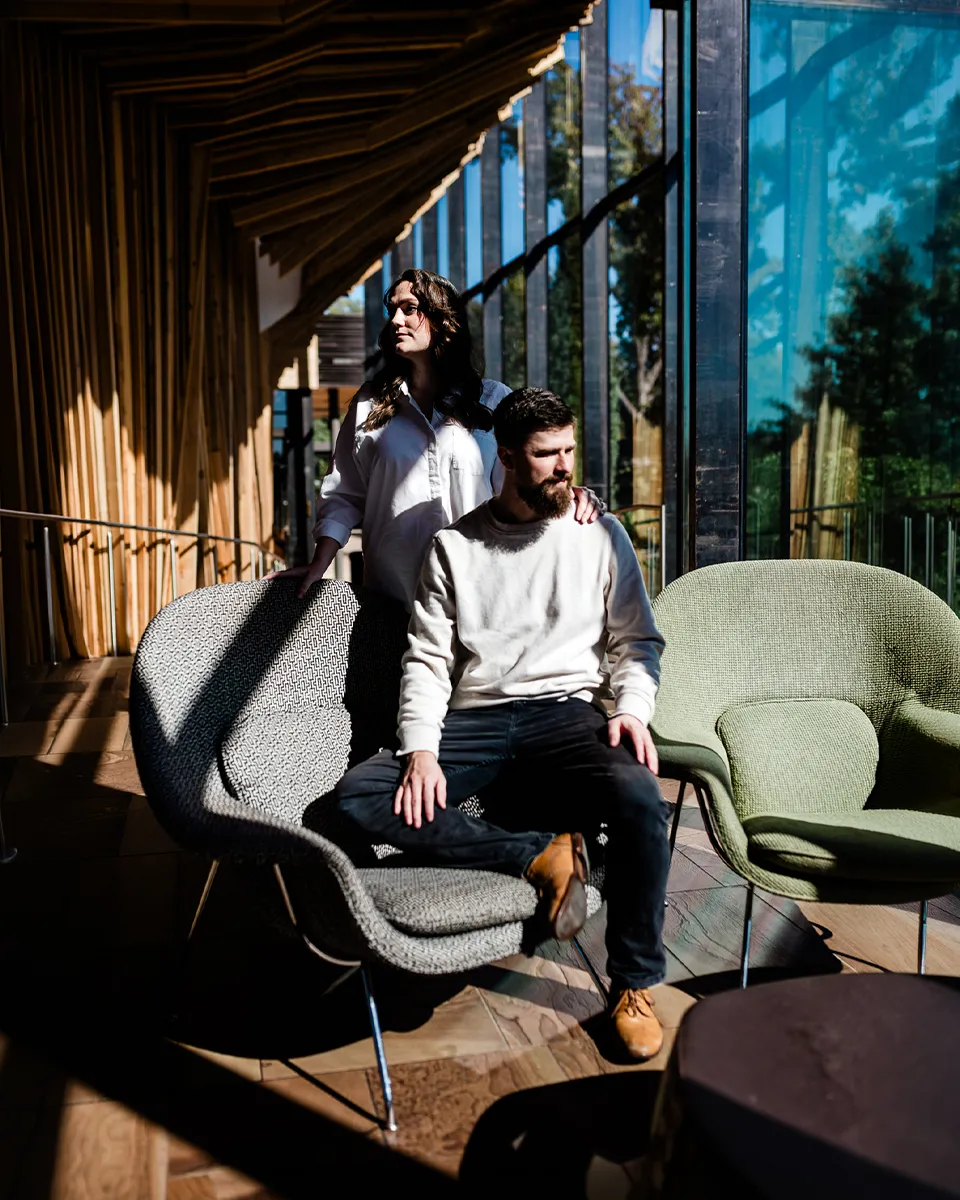
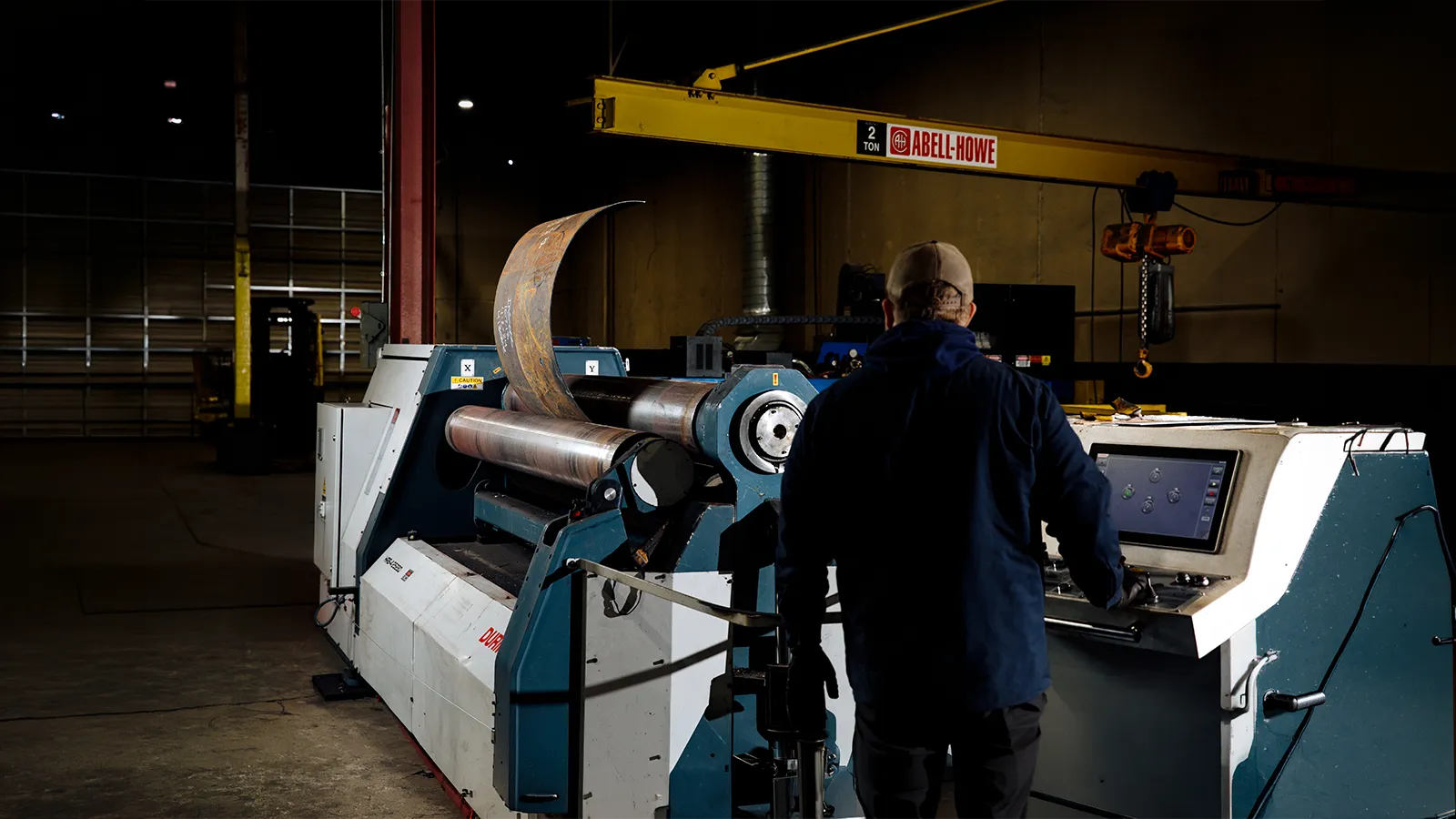
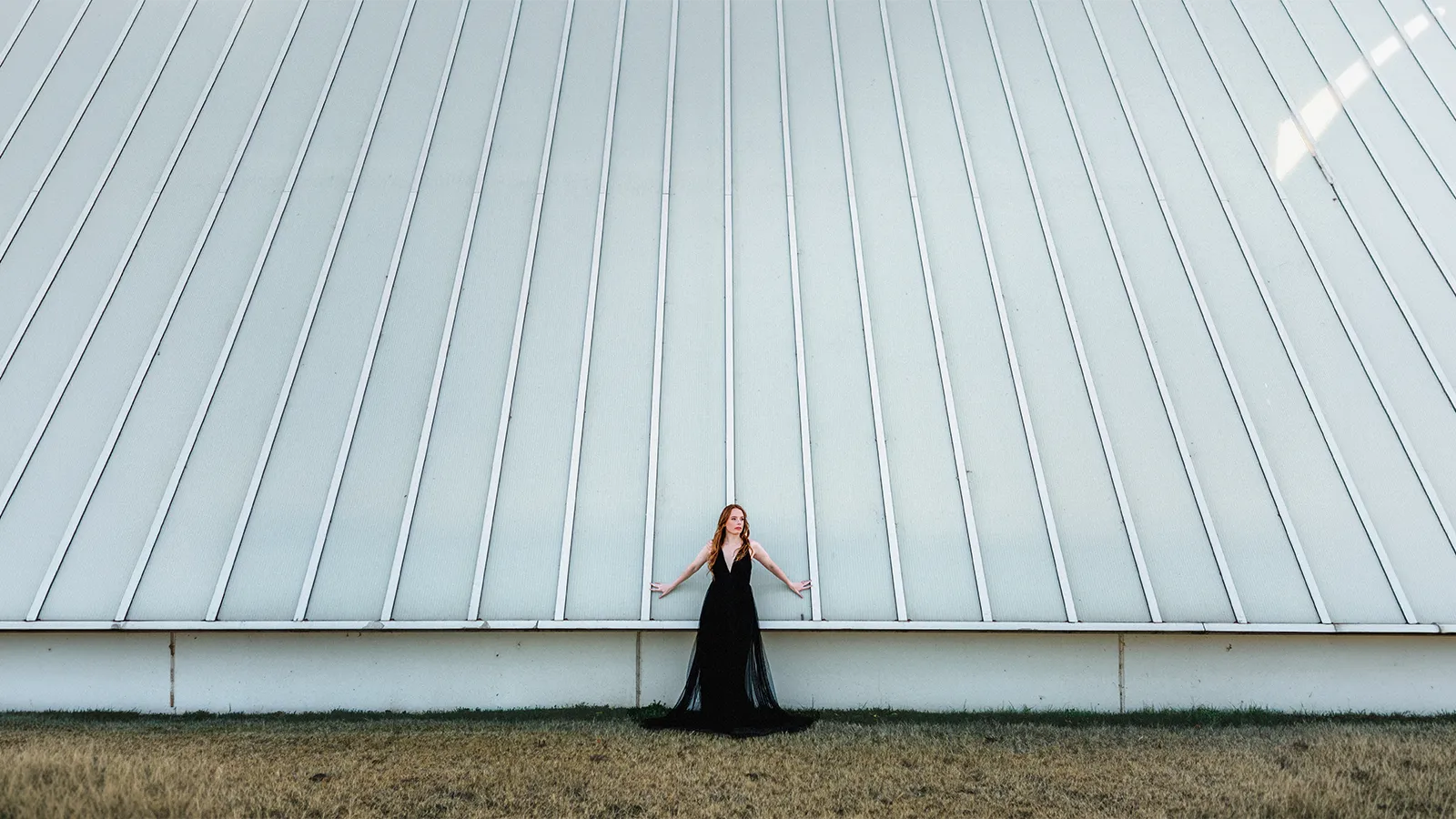
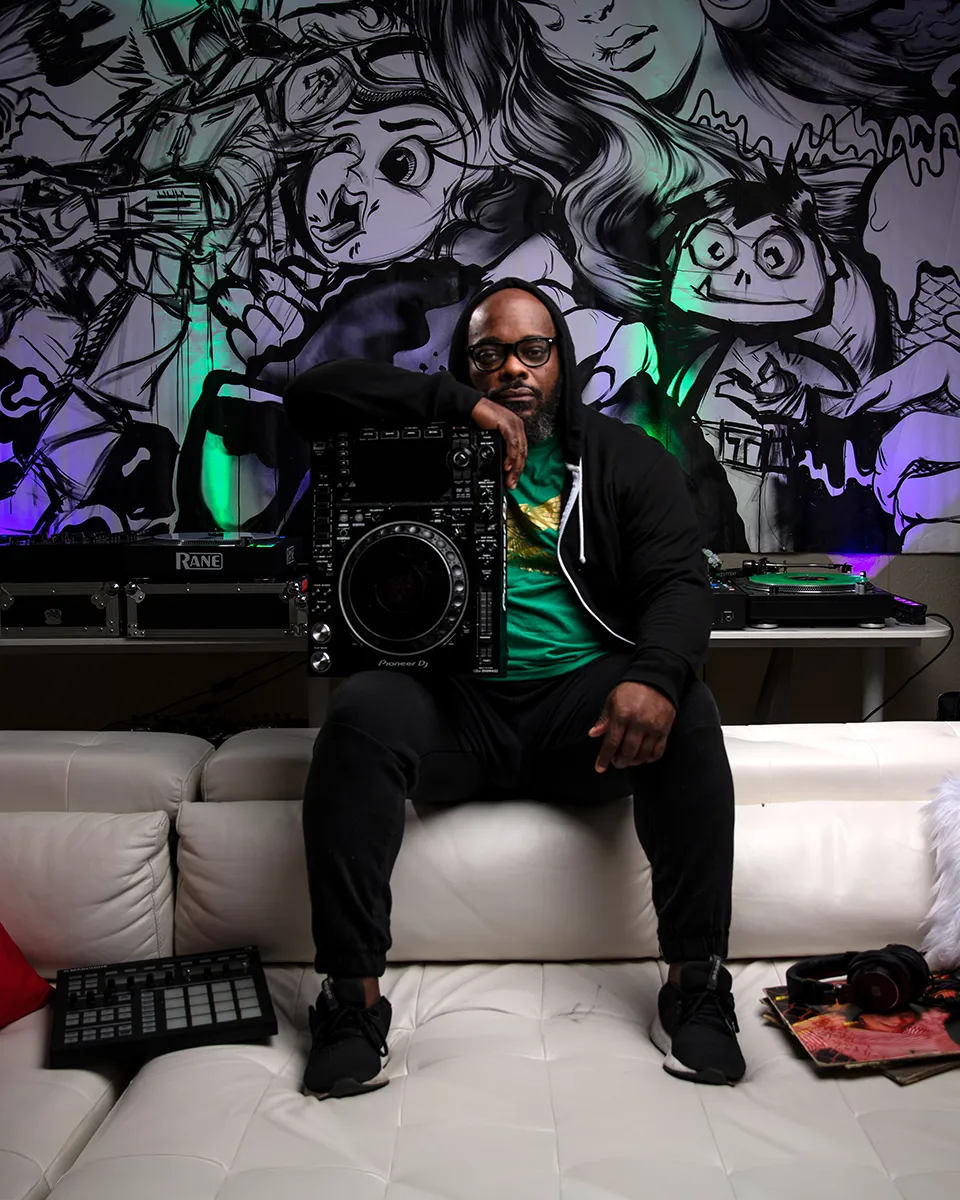
The room changes.
The attention does not.
START A CONVERSATION
You do not need to become someone else to be seen more clearly.
Tell me what you are building, who you are trying to reach, and what people need to understand when they encounter your work.
We can start there.